
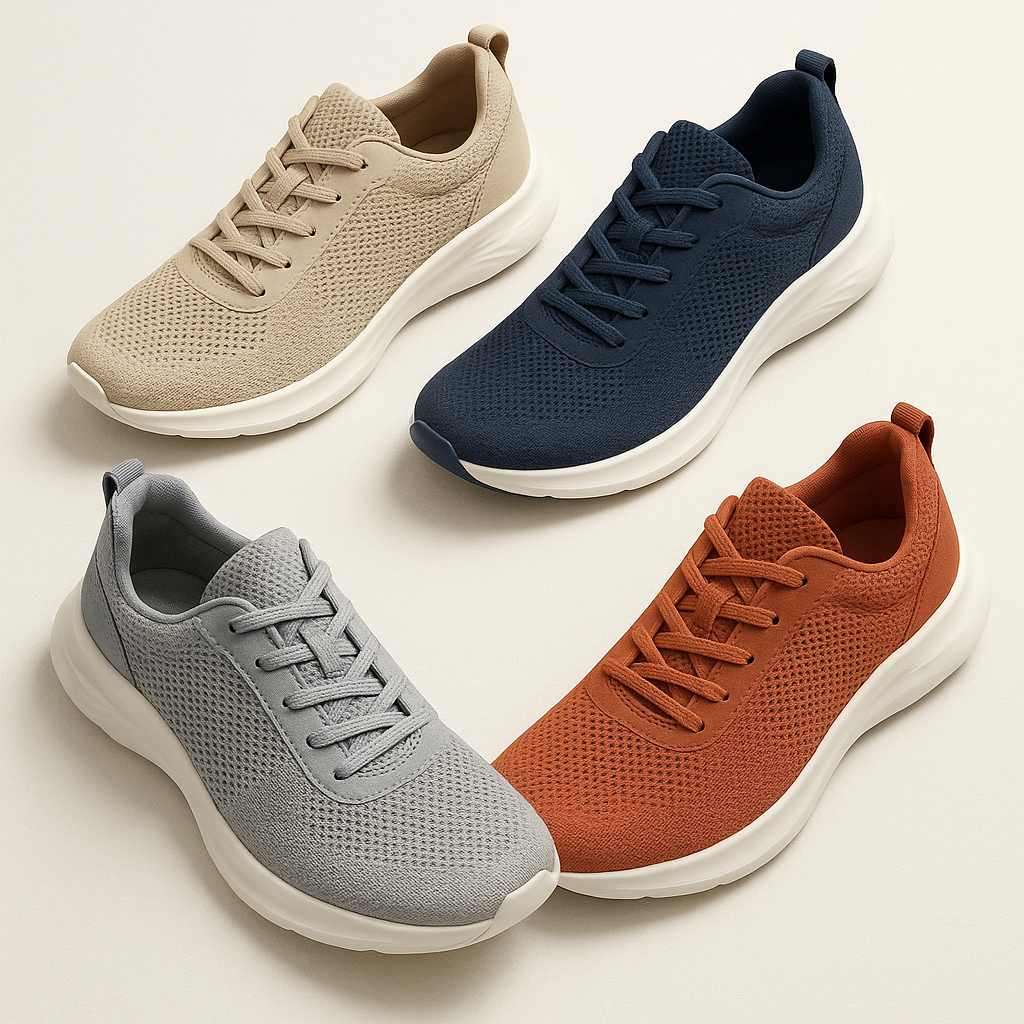
Discover the perfect blend of featherlight comfort and modern aesthetics with our curated selection of the best lightweight walking shoes that will transform your daily steps into effortless strides.
Why Lightweight Walking Shoes Are Game-Changers for Your Feet
The evolution of walking shoes has reached new heights in 2026, with lightweight designs revolutionizing the way we think about everyday footwear. Traditional walking shoes often prioritized durability over comfort, resulting in heavy, clunky designs that left feet fatigued after just a few hours of wear. Today's lightweight walking shoes challenge this outdated notion by proving that you can have both exceptional support and barely-there weight. The difference is immediately noticeable—reduced strain on your joints, less fatigue throughout the day, and a natural, unrestricted gait that makes walking feel effortless.
Beyond the immediate comfort benefits, lightweight walking shoes offer significant health advantages that extend far beyond your feet. The reduced weight means less energy expenditure with each step, allowing you to walk longer distances without exhaustion. This is particularly beneficial for individuals recovering from injuries, those with joint conditions like arthritis, or anyone looking to increase their daily activity levels. The decreased load on your feet also translates to less stress on your ankles, knees, hips, and lower back, creating a ripple effect of wellness throughout your entire body.
Perhaps most importantly, lightweight walking shoes have shattered the myth that comfortable shoes must sacrifice style. The 2026 lineup features sleek, contemporary designs that seamlessly transition from morning walks to casual outings and even light social events. This versatility means you no longer need to choose between looking good and feeling good—you can confidently wear your walking shoes throughout your day, encouraging more movement and healthier habits without compromising your personal style.
Essential Features to Look for When Choosing Featherlight Footwear
When shopping for lightweight walking shoes, breathability should be at the top of your priority list. Advanced mesh uppers and engineered knit materials create optimal airflow, keeping your feet cool and dry even during extended walks or warm weather conditions. Look for shoes with strategically placed ventilation zones that target high-heat areas while maintaining structural integrity. This breathability not only enhances comfort but also reduces moisture buildup, preventing blisters and odor development that can plague traditional enclosed footwear.
Cushioning technology has advanced dramatically, and the best lightweight walking shoes of 2026 incorporate responsive foam compounds that provide excellent shock absorption without adding bulk. Pay attention to midsole construction—materials like EVA foam, proprietary cushioning systems, and even carbon fiber plates offer varying levels of energy return and support. The ideal cushioning should feel soft on impact but responsive on push-off, creating a smooth, efficient stride. Additionally, consider the cushioning placement: adequate heel padding protects against heel strike impact, while forefoot cushioning supports the natural rolling motion of your foot.
Traction and outsole design are crucial features that shouldn't be overlooked in pursuit of lightweight construction. Modern rubber compounds provide excellent grip while remaining surprisingly light, and innovative tread patterns offer versatility across multiple surfaces. Whether you're walking on urban sidewalks, park trails, or indoor surfaces, your shoes should provide confident traction without collecting debris. Look for outsoles with a balance of contact surface area and flex grooves that allow natural foot movement while maintaining stability.
Finally, proper fit and support systems separate exceptional lightweight walking shoes from mediocre ones. Even featherlight shoes should feature adequate arch support tailored to your foot type, secure heel counters that prevent slippage, and anatomically shaped toe boxes that allow natural toe splay. Many 2026 models incorporate adaptive fit technologies like dynamic lacing systems, memory foam collars, and adjustable heel cups that customize to your unique foot shape while maintaining that barely-there feel.
Revolutionary Materials Shaping the Future of Walking Shoes
The lightweight walking shoe revolution of 2026 is largely driven by groundbreaking material innovations that seemed like science fiction just a few years ago. Engineered mesh fabrics now feature molecular-level design that creates targeted zones of stretch, support, and ventilation within a single-layer upper. These materials are often produced using 3D knitting technology that eliminates seams and reduces material waste while creating a sock-like fit that conforms perfectly to your foot. The result is an upper that weighs mere grams while providing structural support that rivals traditional multi-layer constructions.
Foam technology has undergone a remarkable transformation with the introduction of supercritical foam processes and bio-based materials. These next-generation foams offer superior energy return and durability while weighing significantly less than conventional EVA compounds. Some manufacturers have incorporated graphene-enhanced materials that provide extraordinary strength-to-weight ratios, allowing for thinner midsoles without sacrificing protection or responsiveness. Additionally, sustainable algae-based foams and recycled material composites are proving that environmental responsibility and high performance can coexist in modern footwear design.
Carbon fiber and thermoplastic plates have migrated from elite running shoes into mainstream walking footwear, offering structural support and propulsion without adding significant weight. These plates are often strategically positioned within the midsole to guide the foot's natural motion and provide torsional rigidity where needed. Meanwhile, advanced rubber compounds utilizing silica and proprietary additives deliver exceptional durability and traction at a fraction of the weight of traditional outsole materials.
Smart textiles and adaptive materials represent the cutting edge of 2026 walking shoe technology. Temperature-regulating fibers respond to your body heat and environmental conditions, actively managing moisture and thermal comfort. Some premium models incorporate shape-memory materials that mold to your foot over time, creating a truly personalized fit. These innovations aren't just about reducing weight—they're about creating shoes that actively enhance your walking experience through intelligent material design.
Best Lightweight Walking Shoes for Every Lifestyle and Terrain
For urban walkers who navigate concrete jungles and city streets, the best lightweight walking shoes of 2026 combine sleek aesthetics with pavement-pounding durability. Models designed for city environments feature reinforced toe caps to withstand frequent curb contact, reflective elements for visibility during evening walks, and versatile colorways that complement casual and smart-casual attire. These shoes typically emphasize cushioning to combat the impact of hard surfaces while maintaining low profiles that look sophisticated in any urban setting. The top urban models weigh between 6-8 ounces per shoe and feature flat outsoles optimized for smooth surfaces.
Trail and nature enthusiasts require lightweight shoes that don't compromise on grip and protection when venturing off pavement. The 2026 trail-ready lightweight walking shoes incorporate aggressive lug patterns, protective toe bumpers, and slightly more robust uppers that resist abrasion from brush and rocks. Despite these enhanced features, innovative material choices keep weights remarkably low—typically 8-10 ounces per shoe. Many feature water-resistant treatments and quick-drying materials that handle stream crossings and damp conditions, making them ideal companions for everything from groomed park trails to light hiking adventures.
Travel-focused walkers need versatile shoes that pack light but perform across diverse conditions. The best travel walking shoes of 2026 are true chameleons—neutral designs that pair with multiple outfits, collapsible heel constructions for easy packing, and all-terrain capabilities that handle cobblestone streets, airport terminals, and sandy beaches with equal competence. These models often feature antimicrobial treatments to keep them fresh during extended wear and removable insoles for quick cleaning or customization. Their exceptional versatility makes them the ultimate one-shoe solution for travelers who refuse to sacrifice precious luggage space.
For fitness walkers and those prioritizing performance, 2026's athletic lightweight walking shoes blur the line between walking and running footwear. These models emphasize propulsion through responsive cushioning systems, forefoot rocker geometries that encourage efficient toe-off, and streamlined uppers that reduce every possible gram. They're ideal for power walking, interval training, and anyone who walks at brisk paces or covers significant distances regularly. Despite their performance orientation, these shoes typically clock in at an impressively light 5-7 ounces per shoe while delivering the support needed for athletic pursuits.
Expert Tips for Maintaining Your Lightweight Walking Shoes
Proper cleaning and care routines are essential for extending the life of your lightweight walking shoes, especially given their advanced material constructions. Most 2026 models feature delicate engineered meshes and specialized foams that require gentle handling. Hand washing is always preferable to machine washing—use lukewarm water, a soft brush, and mild detergent to clean the uppers, paying special attention to mesh areas where dirt accumulates. For stubborn stains, create a paste with baking soda and water, apply gently, and rinse thoroughly. Never use harsh chemicals or bleach, as these can degrade modern synthetic materials and compromise their performance properties.
Drying techniques significantly impact the longevity of lightweight walking shoes. Always air dry your shoes at room temperature, stuffing them with newspaper or paper towels to absorb moisture and help maintain their shape. Never place lightweight shoes near direct heat sources like radiators, hair dryers, or sunny windowsills, as excessive heat can cause foam midsoles to break down, adhesives to weaken, and uppers to warp or shrink. For shoes with removable insoles, take them out to dry separately, allowing air to circulate throughout the interior. Proper drying typically takes 24-48 hours, so having a second pair to rotate between wears is ideal.
Strategic rotation and rest periods between wears can dramatically extend the functional life of your lightweight walking shoes. Foam midsoles, particularly the advanced compounds used in 2026 models, require time to fully decompress and recover their cushioning properties after use—typically 24-48 hours. By rotating between two or more pairs, you allow this recovery to occur, maintaining optimal performance and preventing premature compression. Additionally, this rotation strategy allows shoes to fully dry between wears, reducing moisture-related degradation and odor development.
Storage practices matter more than many people realize, especially for shoes constructed with premium materials. Store your lightweight walking shoes in a cool, dry place away from direct sunlight, which can fade colors and degrade synthetic materials over time. Use shoe trees or stuff them with paper to help maintain their shape during storage periods. Avoid stacking heavy items on top of your shoes, as this can compress foam midsoles and distort uppers. For long-term storage, consider placing shoes in breathable fabric bags rather than plastic containers, which can trap moisture and promote mildew growth.
Finally, know when it's time to replace your lightweight walking shoes, even when they might appear visually acceptable. Most walking shoes deliver optimal performance for 300-500 miles, though this varies based on your weight, walking style, and terrain. Watch for signs of wear including compressed midsole foam that no longer rebounds, worn tread patterns that reduce traction, and upper materials that show significant tears or separation. If you notice new aches or pains in your feet, ankles, or knees, your shoes may have lost their supportive properties. Tracking your mileage and replacing shoes proactively prevents injury and ensures you always experience the full benefits of modern lightweight walking shoe technology.